 Skip to content











You’re tired, even when you’ve slept enough.
Your thinking feels slower than it used to. Focus takes effort. Mood feels… off.
You’re doing the obvious things right—eating reasonably well, trying to manage stress, maybe even taking supplements. But something still doesn’t add up.
This is where methylation enters the conversation.
Methylation is one of those behind-the-scenes biological processes that rarely gets attention—until it stops working efficiently. When that happens, the effects don’t show up as one clear symptom. They show up as a pattern: fatigue, brain fog, mood shifts, and a general sense that your system isn’t firing on all cylinders.
This article breaks down the most common signs of poor methylation, why they may happen, and what you can do next—without guesswork or hype.
What Is Methylation?
Methylation is a basic biochemical process that happens in every cell of your body.
At its core, it involves adding a methyl group (one carbon + three hydrogens) to other molecules. That small chemical change has a wide range of effects, including:
-
Supporting DNA repair and expression
-
Helping produce neurotransmitters like serotonin and dopamine
-
Assisting in detoxification pathways
-
Contributing to energy production
It’s not one function—it’s a system that touches almost everything.
When methylation runs efficiently, these processes tend to stay balanced. When it slows down or becomes inefficient, the effects can show up across multiple systems at once.
If you want a deeper breakdown, this is where a full “What Is Methylation?” guide comes in. For now, the key point is simple:
When methylation is off, the signssymptoms are often broad, subtle, and easy to miss.
Common Signs of Poor Methylation
Methylation issues don’t announce themselves clearly. Instead, they tend to show up as patterns, and some signs—symptoms that don’t quite connect on the surface but may share a common underlying pathway.
Below are some of the most commonly reported signs.
Persistent Fatigue
This isn’t just being tired after a long day.
It’s the kind of fatigue that:
-
Lingers even after sleep
-
Feels deeper than normal exhaustion
-
Doesn’t fully resolve with rest
Methylation plays a role in cellular energy production. When this process is inefficient, your body may not generate energy as effectively.
Research suggests that suboptimal methylation may be linked to reduced efficiency in energy-related pathways, which could contribute to occasionalongoing fatigue in some individuals.
Brain Fog and Difficulty Concentrating
If your mental clarity feels inconsistent—or noticeably worse than it used to—methylation may be part of the picture.
Methylation is involved in the production of key neurotransmitters, including:
-
Dopamine
-
Serotonin
-
Norepinephrine
These chemicals influence focus, motivation, and cognitive sharpness.
When methylation is underperforming, neurotransmitter production may be affected. Some individuals report:
-
Slower thinking
-
Difficulty concentrating
-
Reduced mental clarity
Again, this is not diagnostic. But it’s a pattern worth paying attention to.
Mood Changes
Low mood, irritability, or occasional anxiety without a clear trigger can be frustrating—and often difficult to explain.
Methylation contributes to the synthesis and regulation of neurotransmitters involved in mood.
Research suggests that impaired methylation may be associated with changes in neurotransmitter balance. As a result, some individuals report:
-
Increased irritability
-
Low motivation
-
Mood variability
The key point: this isn’t about labeling a condition. It’s about recognizing that biochemistry influences how you feel.
Sleep Difficulties
If your sleep feels inconsistent—or you occasionally struggle to fall or stay asleep—methylation may be a contributing factor.
Methylation plays a role in the production of melatonin, the hormone that regulates your sleep-wake cycle.
When this process is inefficient:
-
Sleep timing may feel off
-
Falling asleep may take longer
-
Sleep quality may decline
Research suggests that disruptions in methylation pathways may influence circadian rhythm regulation in some individuals.
Sensitivity to Chemicals, Alcohol, or Medications
Some people notice they’re more sensitive than expected to:
-
Alcohol
-
Caffeine
-
Environmental chemicals
-
Certain medications
Methylation supports detoxification pathways, particularly those involved in processing and clearing compounds from the body.
When these pathways are less efficient, your system may take longer to process inputs. This can lead to increased sensitivity or exaggerated responses.
This doesn’t mean something is “wrong”—but it may indicate that your detox systems are under more strain than usual.
Elevated Homocysteine (Lab Marker)
Unlike the other signs, this one shows up in lab work.
Homocysteine is an amino acid that your body normally converts into methionine through the methylation cycle.
When methylation is inefficient:
-
This conversion slows down
-
Homocysteine levels may rise
Elevated homocysteine is often used as a functional marker of methylation efficiency.
It’s not something you feel directly, —but it can provide useful context for your doctor.when evaluating symptoms.
Why Does Methylation Become Impaired?
Methylation doesn’t just “stop working.” It becomes less efficient due to a combination of genetic, nutritional, and lifestyle factors.
MTHFR Gene Variants
The MTHFR enzyme helps convert folate into its active form (5-MTHF), which is required for methylation.
Certain genetic variations—most commonly C677T and A1298C—may reduce the efficiency of this process.
Estimates suggest that up to 40% of the population carries some variation that may impact conversion efficiency.
This doesn’t automatically meanguarantee problems in everyone. But in some people, it can create a bottleneck under the wrong conditions.
Nutrient Gaps
Methylation depends on several key nutrients acting as cofactors, including:
-
Folate
-
Vitamin B6
If these nutrients are insufficient—or not in bioavailable forms—the entire cycle can slow down.
This is where formulation quality matters. Not all forms of these nutrients are equally usable by the body.
Lifestyle and Environmental Factors
Modern life doesn’t exactly support optimal methylation.
Factors that may influence methylation efficiency include:
-
Chronic stress
-
Poor diet quality
-
Excessive alcohol intake
-
Environmental toxin exposure
These inputs place additional demand on detoxification and metabolic systems—systems that rely on methylation to function efficiently.
Aging
Methylation efficiency may naturally decline with age.
This isn’t dramatic, but it’s noticeable. Enzymatic activity, nutrient absorption, and metabolic flexibility all shift over time.
For adults over 40, this often shows up as:
-
Slower recovery
-
Reduced resilience
-
Increased sensitivity to stressors
In other words, the margin for inefficiency gets smaller.
What You Can Do About It
If several of these signs feel familiar, the next step isn’t guessing—it’s getting clarity.
Get Tested
Start with objective data.
Work with a healthcare provider to assess:
-
Homocysteine levels
-
Vitamin B12 status
-
Folate levels
In some cases, genetic testing for MTHFR variants may provide additional context.
This step matters. Without it, you’re operating on assumptions.
Choose Methylated Forms of B Vitamins
If you supplement, form matters.
Standard supplements often use:
-
Folic acid (instead of methylfolate)
-
Cyanocobalamin (instead of methylcobalamin)
These require multiple conversion steps before your body can use them.
Active forms—like L-methylfolate and methylcobalamin—bypass that process.
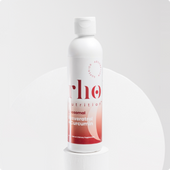
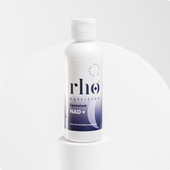
Rho’s approach centers on these bioavailable forms. Products like Rho’s Liposomal Methyl B12 are designed to deliver nutrients in forms your body can use directly, without relying on inefficient conversion pathways.
Support the Full Methylation Cycle
Methylation isn’t a single switch—it’s a network.
Supporting that network may include nutrients that contribute to methyl group donation and recycling. One of the most relevant here is TMG (trimethylglycine).
Rho’s TMG is positioned as part of that broader system—supporting methylation alongside active B vitamins rather than replacing them.
Pay Attention to Delivery
This is where most supplements fall short.
Even if a product contains the right ingredients, bioavailability determines whether they’re actually absorbed and utilized.
Liposomal delivery is designed to help:
-
Protect nutrients through digestion
-
Improve absorption into circulation
-
Reduce variability in uptake
It’s not marketing language—it’s a response to a real limitation in traditional supplement formats.
Adjust Lifestyle Inputs
Supplements can support the system. They don’t replace the fundamentals.
If methylation is under strain, these factors matter:
-
Prioritize whole, nutrient-dense foods
-
Manage stress where possible
-
Maintain consistent sleep patterns
-
Limit excessive alcohol intake
These aren’t shortcuts. They’re the baseline your biology expects.
Conclusion
Poor methylation doesn’t show up as a single, obvious problem. It can show up as a pattern—occasional fatigue, brain fog, and mood shifts,. and subtle changes that don’t fully resolve on their own.
Recognizing that pattern is the first step.
From there, objective testing and targeted nutritional support with your doctor can provide a more reliable path forward than guesswork.
Rho’s approach focuses on using bioavailable forms and liposomal delivery to improve absorption where it actually matters. If methylation is part of the picture, understanding how nutrients are delivered is just as important as which ones you take.
*These statements have not been evaluated by the Food and Drug Administration. This product is not intended to diagnose, treat, cure, or prevent any disease. Consult a licensed healthcare provider before starting any supplement regimen.
Leave a comment