 Skip to content











Hormones are chemical messengers that help regulate nearly every major system in the body—metabolism, mood, sleep, stress response, reproductive health, and more. When hormone-related processes are running smoothly, people tend to feel more balanced and energized. When they’re not, subtle or noticeable symptoms can creep in.
While lifestyle factors like diet, sleep, and stress management should come first, certain supplements may support normal biological processes that can influence hormone-related systems. It’s important to emphasize that supplements are supportive aids, not cures or replacements for medical care.
Disclaimer: This content is for informational purposes only and is not intended to diagnose, treat, cure, or prevent any disease. Statements about dietary supplements have not been evaluated by the Food and Drug Administration (FDA). Always consult a qualified healthcare provider before making changes to your diet or supplement routine.
NAD+ (Cellular Energy and Aging Support)
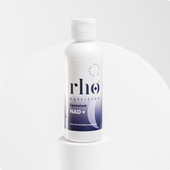
Nicotinamide adenine dinucleotide (NAD+) is a coenzyme essential for cellular energy metabolism. Levels naturally decline with age, and research suggests that maintaining healthy NAD+ availability supports normal energy production and cellular resilience, both of which are foundational for healthy hormone-related systems. Because metabolism, stress adaptation, and hormone signaling are interconnected, supporting energy pathways can indirectly contribute to broader balance.
Liposomal delivery is designed to enhance absorption compared with standard oral forms, which may help more of the nutrient reach cells where it’s needed.
Typical approach: Many people support NAD+ levels with daily supplementation, ideally as part of a routine focused on whole-body wellbeing!
Magnesium (Relaxation and Nervous System Support)
Magnesium is involved in hundreds of enzymatic reactions—including nerve signaling, energy metabolism, and muscle function—that influence how the body responds to stress and supports everyday physiology. Since chronic stress can influence cortisol and other hormone pathways, adequate magnesium intake may help support normal stress–response processes and calm the nervous system.
Food sources: Leafy greens, nuts, seeds, whole grains
Typical supplementation: 200–400 mg per day, individualized to tolerance and needs
Magnesium doesn’t directly “fix hormones,” but because it supports relaxation and nervous system balance, it fits into a wellness-first approach that complements hormone-relevant pathways.
Glutathione (Antioxidant and Detoxification Support)
Glutathione is the body’s master antioxidant—central to detoxification, immune support, and cellular health. While its primary role isn’t hormone regulation, oxidative stress and inflammation can influence hormonal pathways. Supporting antioxidant capacity can indirectly help maintain steady cellular environments where hormone signaling operates.
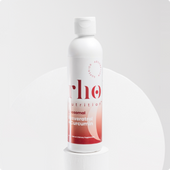
Glutathione’s liposomal form from Rho is formulated for enhanced uptake, which some people find valuable for daily cellular support as part of a broader wellness regimen.
Omega-3 Fatty Acids (Cell Membrane Integrity and Inflammation)
Omega-3 fatty acids (EPA and DHA) are structural components of cell membranes and help support normal inflammatory processes. Because healthy cell membranes are essential for receptor signaling—including hormone receptors—omega-3s fit well within an integrative approach to wellness.
Food sources: Fatty fish (salmon, sardines), flaxseeds, chia seeds, walnuts
Typical supplementation: 1–2 g per day of combined EPA/DHA
Omega-3s won’t “balance hormones” on their own, but they support cell structure and overall physiology, which are part of how hormones communicate across tissues.
Zinc (Reproductive and Immune Support)
Zinc is a trace mineral involved in immune function, protein synthesis, and reproductive health components. It plays a role in hormone production pathways and cell signaling, especially within reproductive and metabolic contexts.
Food sources: Oysters, beef, pumpkin seeds, lentils
Typical supplementation: 15–30 mg per day, depending on need
Like the others, zinc supports underlying processes that are relevant to hormone-related systems rather than acting directly as a hormone modulator.
When to Consider Supplementation
Supplements tend to play a supportive role once foundational lifestyle factors are in place:
-
After optimizing diet and sleep
-
When lab work shows insufficiencies
-
During specific life stages or increased stress, with healthcare guidance
Used this way, supplements can help fill gaps rather than function as stand-alone fixes.
Important Considerations Before Supplementing
-
Get proper testing. Lab biomarkers can clarify individual needs.
-
Lifestyle comes first. Nutrition, stress management, sleep, and movement are foundational.
-
Quality matters. Look for transparent sourcing and third-party tested products.
-
Interactions. Some nutrients affect medication metabolism—professional guidance is key.
Individual needs vary widely; what’s right for one person may not be right for another.
Potential Side Effects and Interactions
-
Magnesium: High doses may cause digestive discomfort.
-
NAD+ and glutathione: Generally well tolerated, but monitor for individual responses.
-
Omega-3s/Zinc: High doses may interact with medications or cause GI effects.
Contact a healthcare provider if any concerning symptoms arise.
Bottom Line
No supplement “balances hormones” in isolation. Hormone health emerges from a network of systems that include metabolism, stress adaptation, sleep, and cellular signaling. Supplements like NAD+, magnesium, and glutathione, when used thoughtfully and in context, may support processes that feed into broader physiological balance.
Professional guidance and a strong lifestyle foundation remain essential. Supplements are tools, not cures—in a long game of sustainable wellness.
Leave a comment