 Skip to content







Creatine has been a staple in the fitness world for decades, but here’s the twist most people miss: it’s not just for bodybuilders and twenty-something gym fanatics. More women, especially those focused on long-term wellness, are turning to creatine for its potential brain and hormone–related support.
Before we dive in, the must-say line: creatine is one of the most studied supplements out there, but it’s not a magic wand. It supports energy metabolism, performance, and certain cognitive processes—not medical diagnoses or disease treatment.
Let’s break down what creatine actually does, why women may benefit uniquely from it, and how to use it safely and effectively.
What Is Creatine and How Does It Work?
Creatine is a naturally occurring compound your body uses to help generate quick cellular energy. In science speak, it helps your cells recycle adenosine triphosphate (ATP), the molecule your body relies on for nearly every high-energy action—from thinking to lifting to sprinting for your kid’s forgotten lunchbox.
Where Creatine Comes From
You get creatine from:
-
Food sources like meat, poultry, and fish
-
Your own internal production, primarily in the liver and kidneys
-
Supplementation, which can boost your body’s creatine stores more efficiently than diet alone
This matters because many women naturally consume less dietary creatine—especially those who eat plant-forward or fully plant-based diets. Supplementation offers a reliable way to maintain fuller creatine stores in the muscles and potentially other tissues.
How Creatine Supports Energy
Creatine helps your cells regenerate ATP more quickly. Think of it as topping off your body’s “quick-access energy bank.” You won’t “feel” creatine like caffeine, but your body appreciates the quiet behind-the-scenes support.
Potential Brain Health Support
Here’s where creatine gets surprisingly interesting. While most people associate creatine with gym performance, researchers have also explored how it may support cognitive function—especially during periods of stress, sleep deprivation, or intense mental effort.
Creatine and Mental Performance
Studies suggest creatine may support memory, mental processing, and attention, particularly when the brain is under strain. That’s because your brain is a high-demand energy organ. When you’re tired, multitasking, or juggling the thousand tasks modern life hands you, creatine’s role in ATP recycling may provide a helpful buffer.
Again—no miracle claims. We're talking about support, not treatment.
Why Women May Benefit
Some evidence points to differences in creatine metabolism between women and men. Women tend to have slightly lower baseline creatine stores, which means supplementation may offer noticeable cognitive support in daily life, work settings, or demanding situations.
Potential Hormone Health Support
Creatine isn't a hormone supplement, and it doesn't “balance” hormones—so let’s kick that idea off the table. What it may do is support healthy hormone-related processes by improving the body's energy capacity and helping maintain performance during various life stages.
Creatine and Energy Metabolism
Hormonal fluctuations—whether monthly or during phases like perimenopause—can influence energy, strength, and mood. While creatine does not change hormone levels, it may support:
-
Healthy exercise performance
-
Stable energy during high-demand phases
-
The body’s ability to adapt to workouts or stress
Emerging Areas of Research
Scientists are exploring how creatine may interact with estrogen-related processes or support cognitive function during hormonal transitions. The results are early but promising in a “keep an eye on this” way—not a “creatine fixes hormones” way.
Creatine Benefits for Female Fitness
Creatine’s reputation in the fitness world is well-earned. For women who train regularly—whether that’s weightlifting, running, Pilates, or the daily “running after everyone else” sport—creatine has some clear and well-studied perks.
Energy and Strength Support
Creatine helps your muscles perform repeated efforts more effectively. You may notice:
-
Better strength output
-
Improved performance during high-intensity bursts
-
More consistent stamina for tough workouts
Recovery Support
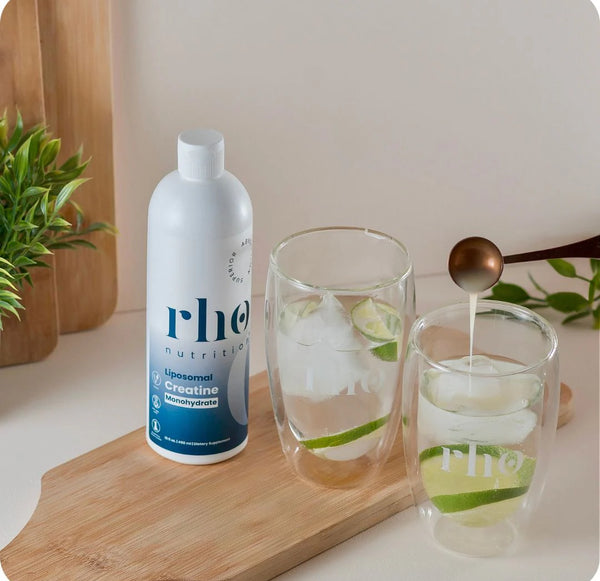
Creatine, such as Rho’s Liposomal Creatine can help your body replenish quick energy stores faster, which may contribute to better recovery between sessions.
Safe and Well-Studied
Used as directed, creatine is one of the most researched supplements globally. Women of various ages—including those 40+—use creatine safely to support training and everyday activity. Effects tend to be strongest when paired with regular physical activity.
How to Use Creatine Safely
Creatine is simple to take, but a few best practices go a long way.
Recommended Dosage
Most research supports 3–5 grams per day for adults. No loading phase is required—just consistency.
Hydration Matters
Creatine helps your muscles hold water where it’s needed. Drink enough fluids throughout the day so your body isn’t playing catch-up.
Introduce Gradually
Some people prefer starting with 2 grams per day for a week, then increasing to a full dose to minimize digestive sensitivity.
Talk to Your Healthcare Provider
Before starting creatine—or any supplement—check with a qualified healthcare professional, especially if you have underlying health concerns or take medications.
Potential Side Effects
Creatine is generally well tolerated, but like anything, not everyone responds the same way.
Mild Digestive Upset
Some people experience:
-
Bloating
-
Cramping
-
Temporary stomach discomfort
Often this resolves by:
-
Drinking more water
-
Splitting your daily dose into two smaller servings
-
Taking creatine with food
Rare Allergic Reactions
They’re uncommon, but sensitivities can happen. If anything feels off, stop taking it and consult a healthcare provider.
Choosing a Reputable Brand
Always look for:
-
Ingredient transparency
-
Third-party testing
-
Clear dosing instructions
Quality matters more than flashy marketing.
Bottom Line
Creatine is one of the most well-studied supplements for supporting energy production, strength, and performance. For women, its potential extends beyond the gym into everyday mental resilience and healthy hormone-related processes—without crossing into treatment or medical claims.
While research into brain and hormone support is still emerging, creatine offers a strong foundation for women seeking better energy, performance, and overall wellness—especially when combined with a balanced diet, hydration, and consistent movement.
If you’re considering creatine, start with a moderate dose, keep your water intake up, and check in with your healthcare provider to make sure it aligns with your personal health goals. Straightforward, safe, and research-backed—that’s creatine in a nutshell.
*This content is for informational purposes only and is not intended to diagnose, treat, cure, or prevent any disease. Statements about dietary supplements have not been evaluated by the Food and Drug Administration (FDA). Always consult a qualified healthcare provider before making changes to your diet or supplement routine.
Leave a comment